Venturing into the great outdoors for a camping adventure can be thrilling, but unexpected wildlife encounters may raise safety concerns. For instance, in the Blue Ridge Mountains alone, black bears are a common presence to be aware of.
This article offers essential tips on safely enjoying your camping trip while coexisting with nature’s inhabitants. Keep reading—your peace of mind awaits!
Table of Contents
Key Takeaways
- Carry bear spray and know how to use it – this can protect you from aggressive bears or other large animals that may enter your campsite.
- Store food, trash, and scented items in bear-proof containers or suspend them between trees to prevent attracting wildlife to your camp area.
- Make noise while hiking to alert animals of your presence, reducing the chance of surprising them and causing a defensive reaction.
- Choose campsites away from natural food sources and animal paths; check for signs like droppings or tracks before settling down.
- Never feed wild animals as it disrupts their diet and can lead them to associate humans with food, increasing the risk of dangerous encounters.
Common Wildlife Encounters During Camping
When immersing yourself in the great outdoors, you may cross paths with various wildlife, from majestic bears to stealthy snakes. Each creature presents unique considerations and challenges, setting the stage for a deeper understanding of how to share their habitat respectfully and cautiously.
Bears
Bears, especially black bears, are a notable presence in the Blue Ridge Mountains, where campers often enjoy the great outdoors. With a sizable population of 300,000 across the U.S., encounters can occur while trekking through forests or at campsites.
Campsites here are equipped with bear-resistant trash receptacles to mitigate the risk of bears being attracted by food odors. Safe practices for personal gear and supplies include securing them in bear canisters or suspending them between trees at a height that puts your snacks out of paw’s reach.
Keep flashlights and bear spray close by for peace of mind in your tent during nighttime hours. Loud noises from campfires and group chats tend to discourage curious grizzlies from venturing too near human habitats.
Understanding grizzly behavior is essential; it helps prevent confrontations and ensures both hikers’ safety and bears’ well-being as you relish your outdoor adventure. Always respect wildlife safety guidelines — leave no trace behind to preserve nature’s balance and create harmonious experiences in places like Yellowstone Park.
Moose
Moose may seem less intimidating than grizzly bears, but they are powerful creatures and can become aggressive if startled or threatened. They frequent many campgrounds and natural areas where people enjoy outdoor activities, making it crucial for campers to understand moose behavior.
A respectful distance should always be maintained as these animals are unpredictable, especially during calving season when mothers fiercely protect their young.
Securing your camping gear and food storage is a vital step in avoiding unwanted moose encounters. Moose attacks often stem from them searching for an easy meal or being surprised by unsecured pets.
For this reason, keeping dogs leashed ensures the safety of both pets and wildlife at campgrounds across America. Moving silently into the topic of deer, know that while they’re generally more docile than moose, cautious engagement remains key for a safe camping experience.
Deer
As we shift focus from the larger moose to the more commonly spotted deer, campers must stay informed about these graceful creatures. Deer often graze in wooded and grassy areas around campsites, earning their place as a frequent sight for outdoor enthusiasts.
While they may appear docile, approaching or feeding them can lead to unexpected conflicts. Campers should exercise caution during spring and fall when deer are particularly protective.
Understanding deer behavior helps in creating a safe camping experience. Loud noises and making yourself look bigger can prevent these animals from wandering too close to your tent or camper.
Keep food scents hidden by using bear-proof coolers or airtight containers; this will deter bears and discourage deer from visiting your site at Kampgrounds of America or any other wilderness retreats.
Remember that staying vigilant and respectful of wildlife boundaries plays a vital role in ensuring both your safety and the well-being of the animals you encounter.
Snakes
Moving from the gentle graze of deer, let’s shift our focus to a more slithery inhabitant of the wild: snakes. These creatures often evoke fear, but understanding their behavior is key to sharing the wilderness with them safely.
Snakes typically steer clear of humans and will only attack if they feel threatened. Knowing what types of snakes are in your camping area can make all the difference. Rattlesnakes, for instance, have a distinct warning sound that they use when feeling defensive.
If you encounter any snake on your adventure, keep calm and give it plenty of room to move away. Use caution while walking through areas where they might be camouflaged, like tall grasses or underbrush.
At night, shine a flashlight ahead as you walk to avoid accidental encounters. Remembering these steps helps ensure that you and these misunderstood reptiles coexist peacefully in nature’s vast playground.
How to Stay Safe Around Wild Animals
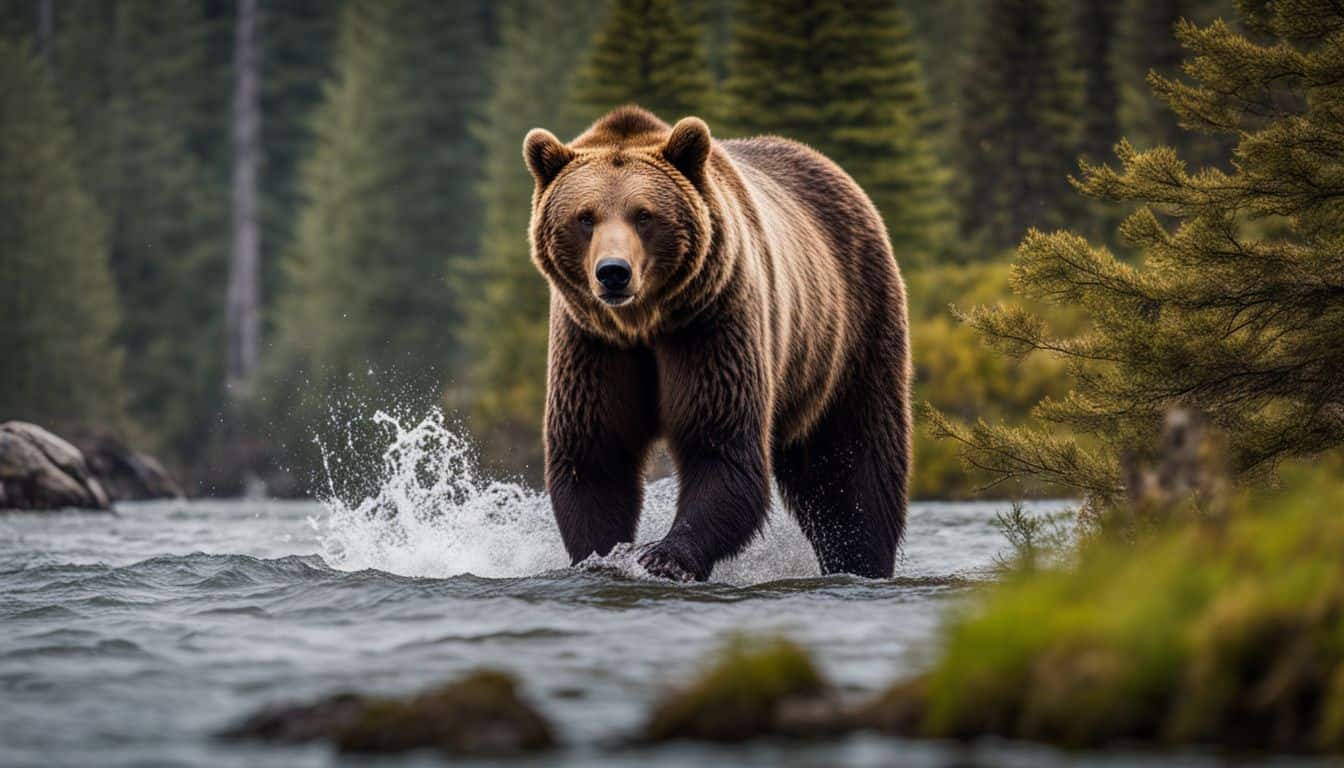
Learning to coexist with wildlife safely is essential when venturing into their territory, and understanding the behaviors of various species will empower you to make smart decisions that ensure both your safety and theirs.
Maintaining Distance
Keeping a safe distance from wildlife is key to your safety and the well-being of the animals you encounter. While exploring nature, always give wild animals plenty of space; this respects their natural habitat and reduces the risk of an unpredictable response.
If you spot bears, mountain lions, or even seemingly gentle creatures like deer or mountain goats, resist the urge to approach them for a closer look or photo opportunity.
Use binoculars to view and enjoy observing these majestic creatures from afar. Encroaching on an animal’s territory can trigger their defense mechanisms—such as a bear feeling its cubs are threatened—which could lead to dangerous situations.
Maintaining a sizable gap between yourself and wildlife allows everyone to coexist peacefully while enjoying the great outdoors.
Avoiding Feeding Wild Animals
Feeding wild animals might seem like a friendly gesture, but it can have harmful consequences. It not only endangers you, as animals may lose their natural fear of humans and become aggressive, but it also puts the animals at risk.
They can become dependent on human food, which is often unhealthy for them and disrupts their natural foraging habits. Always keep your meals secured in bear bags or containers designed to prevent wildlife access.
Resist the temptation to offer snacks to that cute squirrel or curious deer. Human food doesn’t have the nutrients wildlife need to stay healthy. Instead of feeding, observe these creatures from a safe distance and enjoy their natural behavior without interfering.
By doing so, campsite selection becomes easier as well since areas with less human-food conditioning are generally safer spots to camp. This simple act preserves the integrity of local ecosystems and ensures your outdoor adventures remain safe for everyone involved.
Making Noise
Your voice or a bell can be your best defense while strolling through the woods. By making noise, you alert animals to your presence and reduce the chance of surprising a bear, cougar, or other wildlife.
Keep talking loudly or clapping if you’re in particularly dense brush where visibility is low. This simple action gives animals time to move away and prevents close encounters.
Carry a whistle or an air horn, as these devices can startle and scare off wildlife before they come too close for comfort. Continuous noise-making is especially important in areas known for puma activity since these predators are more likely to avoid humans if they hear them coming.
With every step and sound, make sure you’re sending a clear message that you’re nearby – it’s one of the easiest ways to keep both humans and animals safe while enjoying the great outdoors.
Watching for Animal Droppings and Tracks
Keep your eyes peeled for animal droppings and tracks around your campsite. These signs can reveal if bears, pumas, or other wildlife are nearby. Understanding the shape and size of droppings helps you identify the types of animals sharing the area with you.
For instance, deer pellets differ from the larger, rougher scat left by a bear.
Tracks also provide hints about animal behavior and movement patterns. Noticing fresh paw prints may indicate recent activity; distinguishing between these subtle clues can significantly increase your camping safety.
As you become more familiar with these natural signs, stay alert – watching for such traces will enhance your awareness and appreciation of nature’s complexity as you transition smoothly into reducing encounters altogether in “Reducing Wildlife Encounters”.
Reducing Wildlife Encounters
Mitigating the likelihood of wildlife encounters is a crucial aspect of safe camping practices, involving strategic choices in managing our supplies and where we decide to set up camp.
Implementing preventative measures can significantly decrease the chances of an unexpected visit from our curious wild neighbors.
Proper Food and Trash Storage
Keeping your food and trash securely contained is crucial for reducing the chances of wildlife encounters at your campsite. Invest in bear-resistant containers or use park-provided food lockers when available, ensuring that all your edibles, coolers, cooking gear, and even toiletries are locked away from curious animals.
Remember to clean up promptly after meals and store garbage safely; never leave food scraps or wrappers out, which could be a beacon for hungry critters.
Establish a routine of checking the area before turning in for the night to guarantee nothing has been left out inadvertently. Use designated trash receptacles if available, or carry waste with you until it can be disposed of properly.
This keeps smells that might attract animals to a minimum and helps maintain the natural beauty of the camping site for everyone’s enjoyment.
Wise Campsite Selection
Choosing the right campsite goes a long way in reducing unwanted encounters with wildlife like bears and cougars. Scout out locations that are not close to natural food sources or animal trails, and always set up sleeping areas a good distance away from where you store and prepare your food.
Seek guidance from park rangers about safe zones for camping, as they can provide insights into recent wildlife activity.
Ensure that your chosen site has clear visibility so you can spot any animals approaching rather than being caught off guard in dense foliage. Use established campsites when possible; these areas often have measures in place to minimize human-wildlife conflicts.
Before settling down, inspect the area for signs of animal presence, such as droppings or tracks, keeping an eye out for immediate red flags indicating it’s time to pick another spot.
Use of Natural Animal Repellants
Keeping bears and other wildlife at bay can be as simple as having bear spray handy. This natural, non-lethal deterrent creates a protective boundary between campers and curious animals.
Its potent formulation can stop an aggressive bear in its tracks, making it an essential item for your tent’s safety kit.
Campsite noises often double as animal repellents without you even realizing it. The crackle of the campfire, lively conversations among friends, and the occasional hum of a car engine create a sound barrier that deters wildlife from entering your area.
These familiar human sounds alert animals to our presence and encourage them to keep their distance naturally.
Conclusion
Embrace the thrill of camping and the beauty of nature with confidence by following these safety guidelines. Respect for wildlife is paramount; give animals their space and secure your campsite diligently.
Equip yourself with bear spray, use noise to your advantage, and stay vigilant about your surroundings. Nighttime safety is crucial—keep flashlights close and avoid sleeping in clothes used while cooking.
Your adventures in the great outdoors will be memorable when you prioritize harmony with the creatures who call it home.







Leave a Reply